
Off-page SEO is everything that builds your authority somewhere you don’t control. That lack of control is the defining feature: you can publish a perfect page this afternoon, but you cannot make another site link to it. Here is the honest hierarchy of off-page signals, the split against on-page work, and the techniques that are worth refusing.
“off page seo optimization” — 4,400 searches/mo (Google, US)Average monthly US search volume with CPC. Source: Google autocomplete demand via AnswerThePublic, 2026.
On-page vs off-page: the actual split
On-page SEO
- Content, titles, structure, internal links
- Fully under your control
- Determines what you can rank for
- Necessary everywhere, sufficient in weak competition
Off-page SEO
- Backlinks, mentions, reviews, PR
- Earned — influenced, never controlled
- Determines how high, against real competition
- The separator on competitive terms
The 2,900 monthly searches comparing the two are asking the wrong question — they are not alternatives but a sequence. On-page work qualifies a page; off-page authority promotes it. Authority pointed at broken pages is the most expensive mistake in SEO, because links are the one asset you cannot simply edit into existence.
The hierarchy of off-page signals
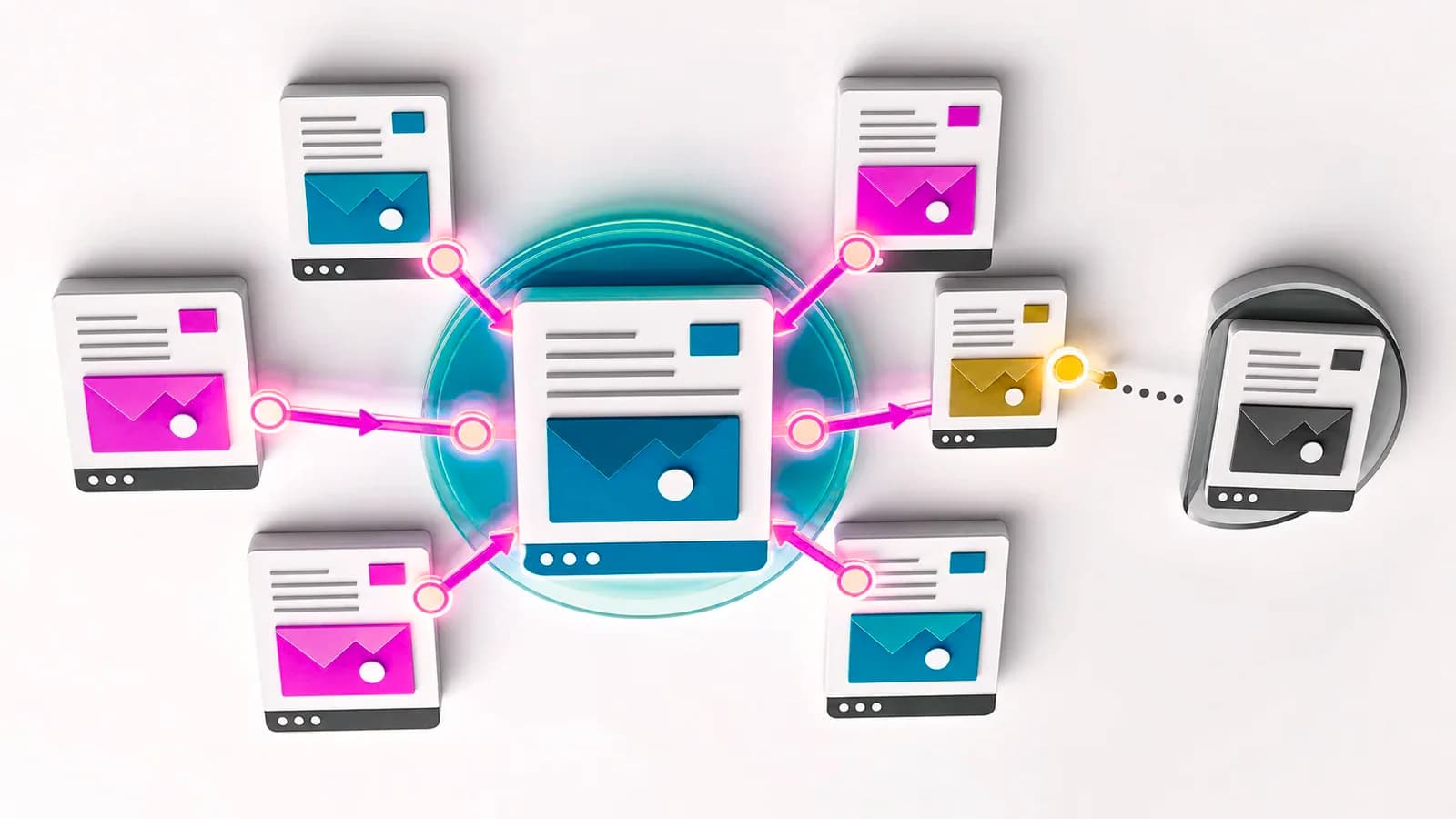
Editorial backlinks
Links other sites chose to give, from relevant pages. Still the strongest external signal — covered fully in the backlinks guide.
Reviews and local signals
For local businesses these outweigh most links: review velocity, rating, and consistent citations drive map-pack positions.
Brand signals
People searching your name, unlinked mentions, and consistent descriptions across the web. Weak individually, strong in aggregate.
Presence on recommendation surfaces
Comparison pages, directories, and best-of lists — now doubly valuable because AI assistants draw recommendations from them.
Techniques that work, and the ones to refuse
- Work: publishing original data and tools people cite; digital PR with an actual story; reclaiming unlinked mentions; broken link building; supplier, partner, and association links you genuinely qualify for; consistent business profile and review management for local.
- Refuse: bought links that pass PageRank, automated link placement, private blog networks, and comment or directory spam. These are the named targets of link spam policies, and the modern outcome is usually silent devaluation — you pay, and nothing happens at all.
The full treatment of what makes a link valuable, how many you need, and the earning playbook is in the backlinks guide.
The new off-page surface: AI recommendations
When an assistant answers “what is the best X”, it draws on the comparison pages, reviews, and consensus descriptions it has read — classic off-page assets doing a new job. Being absent from those surfaces now costs you twice: once in search, once in every generated answer. Measuring that exposure is its own discipline, covered in AI visibility.
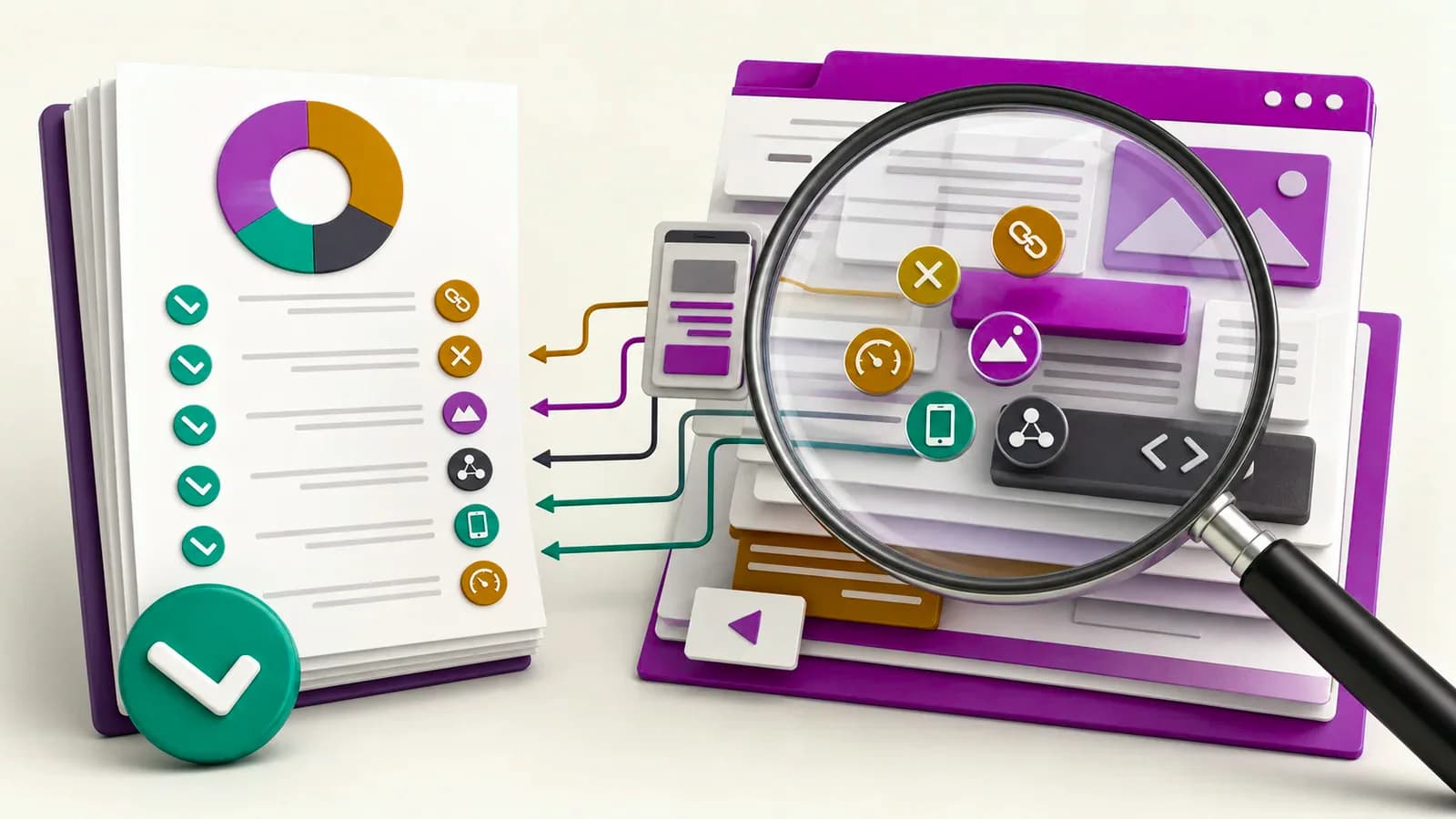
Before investing in links, confirm the site can absorb them: run the free audit.
Frequently asked questions
- What is off-page SEO?
- Off-page SEO is everything that builds your site’s authority away from your own pages: backlinks from other sites, brand mentions, reviews, directory listings, and digital PR. Where on-page SEO decides what you can rank for, off-page signals largely decide how high you rank against competitors targeting the same terms.
- What are off-page SEO techniques that still work?
- Creating content other sites have a reason to cite (original data, tools, definitive guides), digital PR that earns coverage, reclaiming unlinked brand mentions, broken link building, supplier and partner links you legitimately qualify for, and — for local businesses — reviews and consistent citations. The common thread: each gives the linking site its own reason to link.
- What off-page techniques should I avoid?
- Buying links that pass PageRank, automated link building, private blog networks, and mass directory or comment spam. These are the explicit targets of Google’s link spam policies, and the practical risk is not just a penalty — it is that money spent on links that get devalued is simply burned.
- Is off-page SEO just link building?
- Links are the largest measurable part, but not the whole. Reviews and business profile signals drive local rankings, brand search volume and mentions correlate with trust, and comparison pages and directories increasingly feed AI assistants’ recommendations — a surface where being absent means being unmentioned.
- Should I do on-page or off-page SEO first?
- On-page first, always. Off-page authority pointed at pages with weak content or technical problems is wasted — the links lift a page that cannot convert the lift into rankings. The efficient order: fix technical, perfect on-page, then earn authority for pages that can use it.